How Signal Responded to WhatsApp Privacy Changes
When WhatsApp updated its privacy policy in early 2021, it sparked widespread concern about data sharing with Facebook. In response, Signal—a secure messaging app known for its strong privacy features—saw a surge in new users and took significant steps to reassure and support its growing community. In this article, we’ll explore how Signal responded to WhatsApp’s privacy changes, what practical measures they implemented, and how you can switch to Signal securely and confidently.
Understanding the WhatsApp Privacy Changes
In January 2021, WhatsApp announced updates to its privacy policy that required users to share more data with its parent company, Facebook. While WhatsApp emphasized that personal messages remain end-to-end encrypted, the update included increased metadata sharing for business interactions and integration with Facebook’s broader advertising ecosystem.
This sparked a backlash, especially among privacy-conscious users, prompting many to seek alternatives like Signal, which is widely regarded for its minimal data collection and transparent security practices.
Signal’s Response to the Surge in Users
As millions of users began switching to Signal, the app’s team quickly adapted to support the influx without compromising performance or security. Here’s how Signal responded:
- Infrastructure Scaling: Signal rapidly upgraded its servers worldwide to handle the sudden spike in message volume and new account registrations. This helped avoid downtime and maintain a smooth user experience.
- Transparent Communication: Signal’s leadership, including CEO Moxie Marlinspike, communicated openly about the app’s privacy policies and technical architecture to build trust. Their blog and official signal.org website provide clear, jargon-free explanations of how Signal protects user data.
- Feature Improvements: To appeal to new users transitioning from WhatsApp, Signal enhanced usability by improving group chat features, voice and video calls, and media sharing—all while maintaining end-to-end encryption.
- Security Education: Signal launched guides and tutorials on signal.org to help users understand secure messaging, set up the app properly, and use advanced privacy features such as disappearing messages and screen security.
How to Switch from WhatsApp to Signal: Step-by-Step
If you’re considering moving away from WhatsApp due to privacy concerns, switching to Signal is straightforward. Here’s a practical step-by-step guide:
- Download Signal: Visit signal.org/download and install Signal on your Android or iOS device.
- Register Your Phone Number: Open Signal and register your phone number. Signal uses your number for identity but does not link it to your profile publicly.
- Grant Permissions: Allow necessary permissions such as contacts and notifications so Signal can sync your contacts and alert you to new messages.
- Import Contacts: Signal automatically detects which of your contacts are Signal users, making it easy to start conversations securely.
- Notify Your Contacts: Send a message to your close friends and family encouraging them to switch to Signal for more private communication.
- Enable Privacy Features: Go to Signal’s settings to enable disappearing messages, screen security, and registration lock for additional privacy.
- Backup Chats Securely: Unlike WhatsApp, Signal offers encrypted local backups rather than cloud backups. Follow Signal’s instructions on backing up messages safely on your device.
Why Signal Remains a Top Choice for Privacy-Conscious Users
Signal’s response to WhatsApp’s privacy changes highlighted its commitment to protecting user data and providing a secure messaging alternative. Here’s why many users prefer Signal:
- End-to-End Encryption by Default: Every message, call, and media file is encrypted from sender to recipient, preventing anyone—including Signal itself—from accessing your communications.
- Minimal Data Collection: Signal only stores the date and time a user registered and the last connection date, nothing more.
- Open Source Code: Signal’s software is fully open source, allowing independent experts to audit its security continuously.
- Non-Profit Model: Signal is operated by a nonprofit foundation funded by donations, so it has no advertising pressures or data monetization incentives.
For more detailed information and ongoing updates, visit signal.org.
在【signal官网】,我们坚信隐私保护是一项基本人权。这也是为什么我们不断努力,通过社区互动与技术创新,为您提供最安全的通讯体验。今天,我们很高兴地宣布几项重大更新,这些更新将进一步提升您的使用体验。
强大的端到端加密
与往常一样,您的所有消息、语音和视频通话都受到业界领先的开源 Signal 协议的保护。我们无法读取您的消息,其他人也无法读取。这种加密不仅限于文字,还包括您分享的图片、视频和文件。
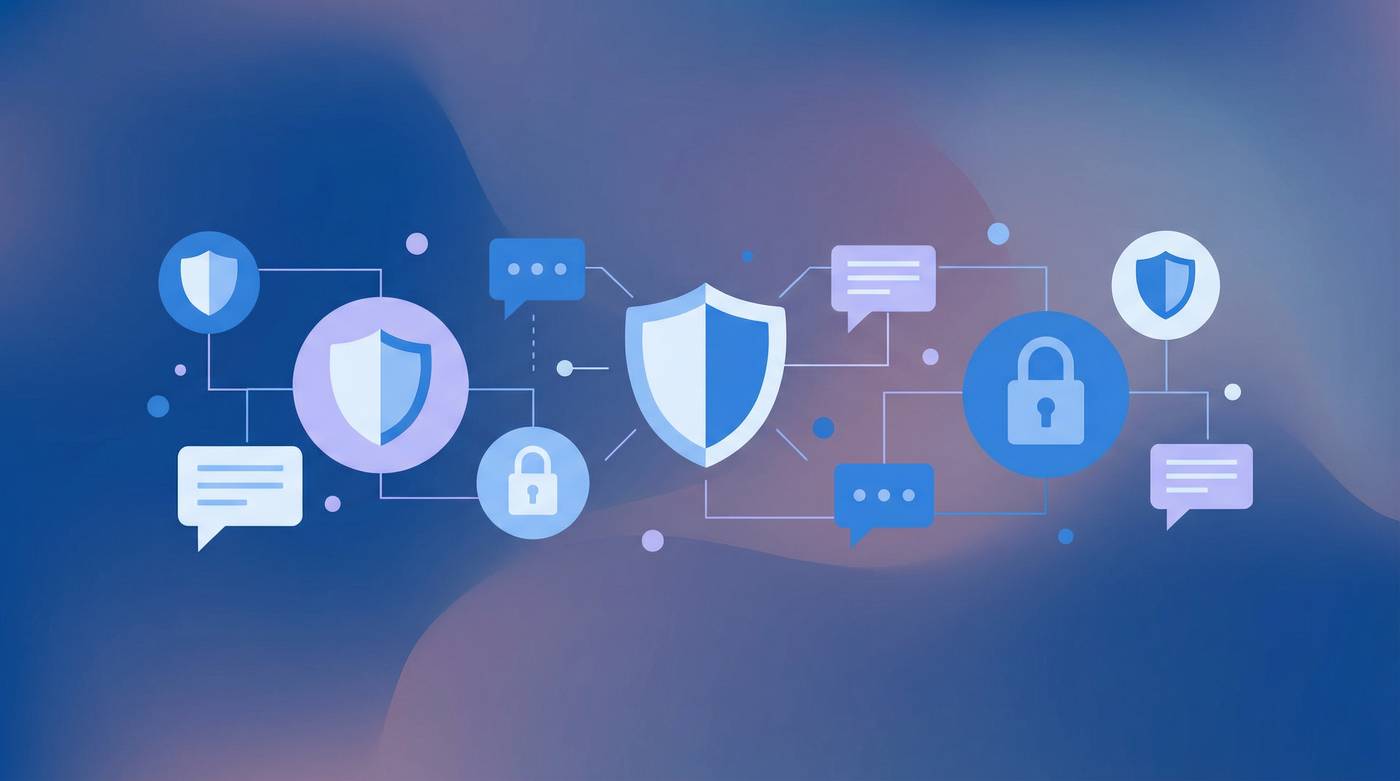
"隐私并非可选项,它是【signal官网】运作的基础。每一条消息,每一次通话,无一例外。"
社区互动的新方式
通过听取社区的反馈,我们引入了全新的加密贴纸功能。现在您可以:
- 使用默认的生动贴纸包表达情感
- 创建并分享您自己的个性化贴纸
- 所有贴纸在传输过程中均被完全加密
加入我们,共同成长
【signal官网】是一个由用户支持的非营利组织。我们没有广告,也没有追踪器。我们的发展完全依赖于像您一样重视隐私的人们的捐赠和支持。感谢您与我们一起,为建立一个更安全的数字世界而努力。